Tech News
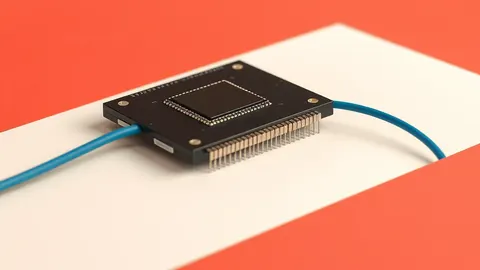
Microsoft bets on memory bandwidth in Maia 300 to cut Nvidia reliance for Azure AI
The tech giant prioritises memory bandwidth over raw compute in its third-generation silicon, aiming to reduce reliance on Nvidia for AI workloads.
The tech giant prioritises memory bandwidth over raw compute in its third-generation silicon, aiming to reduce reliance on Nvidia for AI workloads.

Police in Turkey arrested the founder of HEX and PulseChain, confiscating millions in cash and crypto wallets, causing immediate market disruption.

Dashcams in vehicles rented by the Norwegian military captured footage of soldiers entering secure areas and typing gate codes during exercises in Oslo.

The intelligence firm moves its American base from a Somerville laundromat to a downtown Boston site, housing nearly 200 staff members.
Huntress highlights how Security Operations Center analyst Sarah Reddish turns complex intrusion data into clear, actionable guidance for partners.
The acquisition unites data and identity security to protect enterprise AI agents, with plans for a public listing after the deal closes.

The acquisition brings the Deno team to Cloudflare, with a plan to cease runtime development after one further year of security patches and bug fixes.

A default setting in Android now verifies and attaches phone numbers to every Google account on a device, raising privacy concerns for users maintaining separate personal and professional identities.

New laptops featuring the N1X superchip enable users to run AI agents and large language models locally, with options to split work with the cloud.
Microsoft’s latest patch enforces stricter authentication controls, potentially disrupting Wi-Fi, Ethernet and VPN connections for organisations still using legacy protocols.
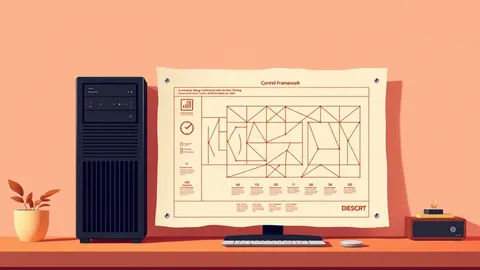
A new joint whitepaper provides a shared taxonomy and control set to help enterprises manage the security risks of deploying open-weight AI models.

Google’s AI watermarking tool was named one of TIME’s Best Inventions of 2026, having watermarked billions of images and videos with invisible markers.
New open-weight models target enterprise agents and local hardware, offering efficiency gains across the deployment spectrum.

The automated testing engine, originally developed at University College London, has been recognised for a decade of improving app reliability at scale.

Cloudflare adds inline code execution to its secure web gateway, allowing Zero Trust users to run custom validation functions during traffic evaluation.
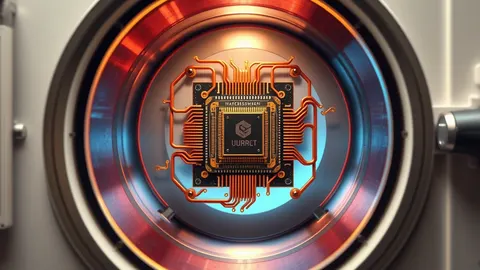
Google Quantum AI demonstrates practical error reduction on Willow hardware, addressing a long-standing resource bottleneck in quantum computing research.
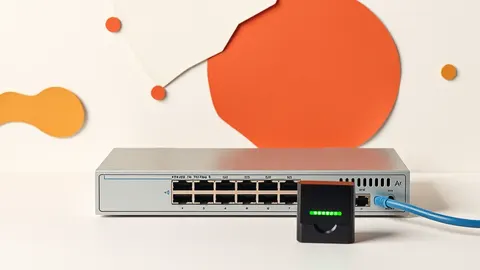
The partnership expansion brings autonomous penetration testing and remediation verification to managed service providers via the Pax8 Marketplace across Europe.

The bureau urges reporting of intimidation, disinformation and threats against election staff ahead of the November vote.

Google has extended its mobile earthquake detection network to more than 200 territories, adding detailed magnitude and location data to the Be Ready alert tier.

The Thoma Bravo-backed firm buys the data security specialist to create a unified platform for protecting enterprise AI agents and sensitive information.

The new smart home range includes a facial recognition display, an AI speaker and a set-top box for centralised device control.

A study funded by Amazon, Google and Meta warns that European cloud independence plans carry costs six times higher than Commission estimates.

John Ternus explains the decade-long development of the iPhone Duo, citing quality concerns over earlier foldable devices as the reason for the delay.
The 120-billion parameter open model targets background agent workflows and local hardware deployment via compact Bolt variants.