Apple CEO Ternus details iPhone Duo hinge engineering and market strategy
John Ternus explains the decade-long development of the iPhone Duo, citing quality concerns over earlier foldable devices as the reason for the delay.
Key points
- Apple CEO John Ternus participated in a TIME interview discussing the iPhone Duo’s origins and design philosophy.
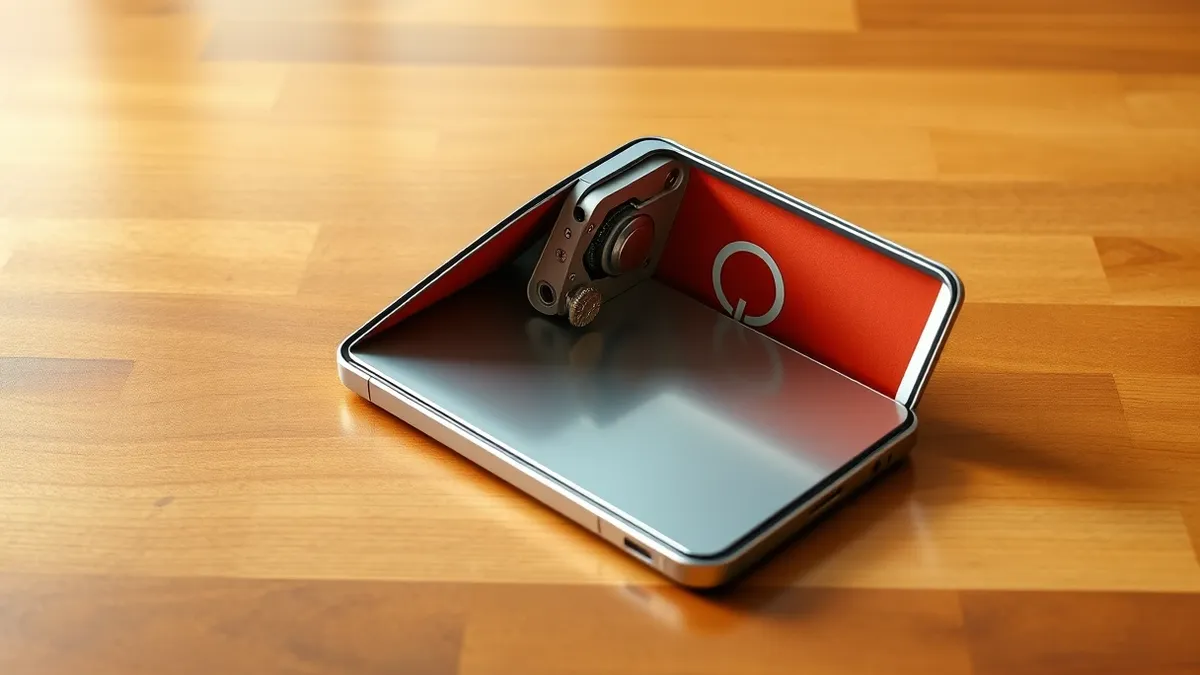
- The device features a custom polymer surface and a hinge with over 100 precision components to minimise display creasing.
- Pre-orders for the iPhone Duo begin on Friday at 5 a.m. Pacific Time, following years of internal development.
Apple CEO John Ternus has outlined the engineering rationale behind the iPhone Duo, describing the device as the culmination of a decade-long effort to create a foldable smartphone that meets specific quality standards. According to a recent TIME interview, Ternus was involved in early foldable research dating back to 2011, when he and five other engineers filed a patent for flexible electronic devices. The company waited until the technology could support flexible OLED displays without compromising durability or user experience.
Root cause
The decision to delay the launch of a foldable iPhone stemmed from dissatisfaction with existing market offerings. Ternus described early foldable smartphones from competitors as feeling "kind of cheap and crappy," according to MacRumors. This perception drove Apple to invest additional time in refining the hardware rather than rushing to market. The engineering team focused on creating a premium feel and robust construction, prioritising long-term reliability over being the first to release a folding device.
Attack path
The development process involved extensive collaboration with global suppliers to overcome manufacturing challenges. Richard Dinh, Apple’s VP of Product Design, noted that Ternus encouraged the team to push boundaries in innovation and manufacturing. This included flying worldwide to connect suppliers and develop a nanotexture surface technology. The result is a custom polymer surface built atop a hinge with more than 100 tiny interior precision components, designed to address the flaws found in earlier competitor devices.
Affected versions
The iPhone Duo is the specific product discussed in these reports. It represents Apple’s first entry into the foldable smartphone market, arriving nearly a decade after other manufacturers released similar devices. The device is positioned as a premium offering, distinct from the early foldables that Ternus criticised. Pre-orders for this specific model are scheduled to open on Friday at 5 a.m. Pacific Time, marking the commercial availability of this new hardware category.
Mitigation
- Monitor supplier communications for updates on component availability and manufacturing timelines.
- Review internal quality assurance protocols for new hardware categories to ensure they align with brand standards.
- Assess the impact of delayed product launches on market positioning and competitor analysis.
- Coordinate with design teams to ensure that engineering constraints are clearly communicated to manufacturing partners.
What it means for organisations
Leaders should evaluate how this delay impacts their product roadmap and supplier relationships. Teams usually need to align engineering goals with market expectations, ensuring that quality standards are met before launch. Check whether your procurement strategy accounts for long development cycles in emerging hardware categories. Senior management must communicate the rationale for delays to stakeholders, emphasising the value of robust design. Ensure that cross-functional teams, including design and manufacturing, are coordinated to handle complex supply chains effectively.
Background: Supply chain attacks
Supply chain attacks in cyber security exploit the trust you place in third-party software components. Attackers inject malicious code into legitimate updates or build pipelines. You receive the payload as if it were benign. Defending requires verifying code origins, isolating build environments and treating all external inputs as hostile.
Read the full guide: Supply chain attacks in cyber security: how they work and how to stop them
What to do and how to stay safe: Apple
- Review your organisation’s hardware procurement timeline to account for potential delays in new device categories.
- Assess the quality requirements for any foldable or flexible devices you plan to deploy or support.
- Monitor supplier announcements for updates on manufacturing capabilities and component availability.
- Prepare internal documentation to address user questions about device durability and long-term support.
General security guidance from the TechSec Observer newsroom. It is not confirmed advice from the organisations named in this story.
Frequently asked questions
When can I pre-order the iPhone Duo?
Pre-orders for the iPhone Duo start on Friday at 5 a.m. Pacific Time.
Why did Apple delay releasing a foldable iPhone?
CEO John Ternus stated that early foldable devices from competitors felt "cheap and crappy," prompting Apple to wait for better technology.
What is special about the iPhone Duo's hinge?
The hinge contains more than 100 tiny interior precision components and features a custom polymer surface to minimise display creasing.