
Cloud Security
Prevent Orphaned Cloud Resources with this Audit Checklist
Orphaned resources continue to accrue costs and expand attack surfaces long after their parent applications have been decommissioned or forgotten.
Cloud Security coverage from TechSec Observer holds 10 articles, 10 of them reference guides. The newest was published on October 14, 2026. New stories are added as soon as they are confirmed, from more than 150 sources checked as often as every 45 seconds. Each story lists its sources. Primary sources we follow for this section include CIS Benchmarks and Kubernetes: Security Concepts.
Orphaned resources continue to accrue costs and expand attack surfaces long after their parent applications have been decommissioned or forgotten.
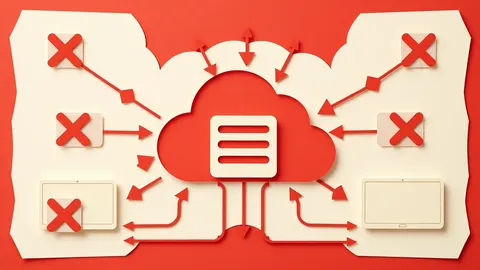
Default-deny rules with explicit allow lists stop lateral movement that open ingress rules enable across your cloud infrastructure.

The naming difference masks a deeper architectural shift from security as a gatekeeper to security as an automated, embedded control plane within the deployment pipeline.

Compliance frameworks often fail because they audit static configurations rather than the dynamic state of ephemeral cloud resources.

Most supply chain compromises bypass perimeter defences by exploiting the trust inherent in automated build pipelines and third-party dependencies.

Static credentials and excessive permissions turn service accounts into permanent backdoors that attackers exploit long after the original developer has left.

Multi-factor authentication stops stolen credentials but fails to protect service accounts and automated pipelines from token abuse.

You cannot secure applications you do not own, so you must enforce policy at the identity level rather than relying on perimeter firewalls.

The most costly error in cloud hijacking is resetting credentials before isolating the compromised instance, which allows the attacker to maintain persistence through active sessions.

A single typo in a declarative configuration file can expose entire cloud environments, turning automated deployment into a vector for persistent access.