
Tech News
OpenAI Faces Lawsuits, Anthropic Warns of AI Worms as Google Patches 37 Chrome Flaws
Malwarebytes Labs reports on a week of security news including browser patches, AI safety lawsuits and data privacy concerns affecting various sectors.
The TechSec Observer Infrastructure Desk is the part of the TechSec Observer newsroom that covers cloud platforms, AI and the wider technology industry. It is a newsroom desk, not a single person. Sections: Cloud Security, Tech News, AI. Stories start from more than 150 monitored sources. Drafts are prepared with AI assistance and checked by software against the cited sources before they are published. It has published 132 articles so far. See the editorial policy or report an error.
Malwarebytes Labs reports on a week of security news including browser patches, AI safety lawsuits and data privacy concerns affecting various sectors.

Transaction counts hit 1.04 billion through September, indicating higher asset velocity despite minimal growth in circulating stablecoin supply.
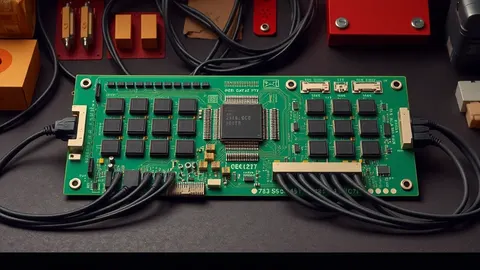
The new accelerator uses laptop-grade memory to set a capacity record for AI inference workloads in enterprise servers.

Analysis shows near-total volume concentration in accounts linked to the platform’s own fee-collecting wallet since late August.
The new foundation model family runs on standard server hardware, offering zero-shot probabilistic forecasts without requiring GPU acceleration.

The firm opens an ASEAN headquarters to help regional firms validate cyber resilience against accelerating AI-driven threats.

Microsoft terminates Loughton facility agreement after power availability is pushed to the 2030s, impacting Nscale’s IPO plans.

Apple’s new European energy label reveals the foldable device’s total power storage, confirming earlier leaks and positioning it between current Pro models.

An independent developer has released an update enabling the complete DLSS 5 feature set on three generations of AMD Radeon graphics cards.

The social platform cited political content violations for the suspension of the documentary’s promotional account ahead of its wider US release.

Industry executives predict sharp consolidation among AI cloud providers despite significant financial and operational support from Nvidia.

Benchmark’s leadership reaffirms its low-volume, high-touch strategy at TechCrunch Disrupt, resisting industry pressure to accelerate deal flow despite larger capital commitments.

The electric truck lacks cellular hardware, requiring users to download software patches to their phones before transferring files through a dashboard port.

Samsung Electronics will produce Nvidia’s custom memory base dies on TSMC’s 3nm node, marking the first use of TSMC foundry tech by Samsung.

Bloomberg reports Apple may unveil new Macs and iPads with M6 chips and OLED screens in late October, part of a four-week release schedule.
Limiting frames per second can lower GPU load, reduce power use and prevent screen tearing on high-end gaming rigs.

JFrog launches a new portal within MyJFrog that converts development logs into measurable business metrics for finance and leadership teams.
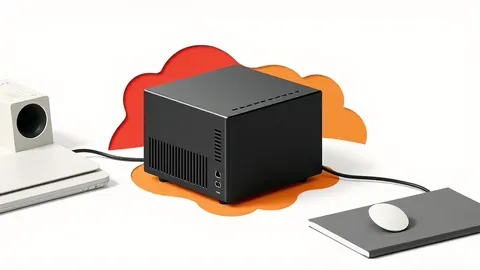
The German-engineered compact system is now available for customers, following its recent debut at the IFA Berlin exhibition last month.
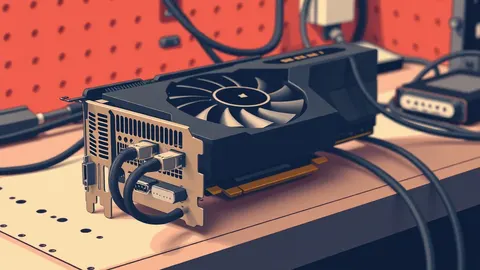
A user-designed kit redistributes power load across four connectors to mitigate overheating risks on high-end Nvidia graphics cards, offering an alternative to standard adapters.

Multiple recent security updates for Windows 11 are failing to install, causing persistent deployment issues for enterprise IT teams.

The software platform acknowledged a breach following reports of leaked user data, prompting immediate scrutiny of its security posture and operational controls.

Google Quantum AI confirms practical success of magic state cultivation, reporting a forty-fold decrease in errors on the Willow processor.

Paid receiver applications allow Android devices to display the car interface on tablets, repurposing older hardware for productivity tasks outside vehicles.
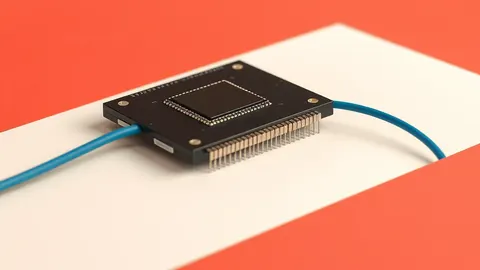
The tech giant prioritises memory bandwidth over raw compute in its third-generation silicon, aiming to reduce reliance on Nvidia for AI workloads.