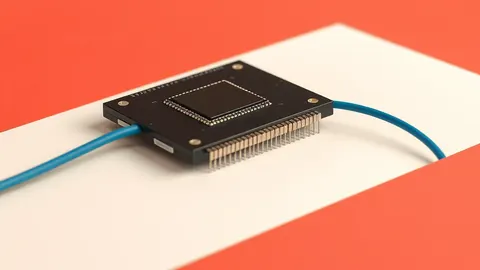
Intel D-series GPUs target enterprise AI inference with record-breaking 480GB LPDDR5X memory capacity
The new accelerator uses laptop-grade memory to set a capacity record for AI inference workloads in enterprise servers.
Key points
- Intel launches D-series GPUs with 480GB of LPDDR5X memory.
- The design targets demanding AI inference tasks in data centres.
- This follows earlier sampling of 350W air-cooled server models.
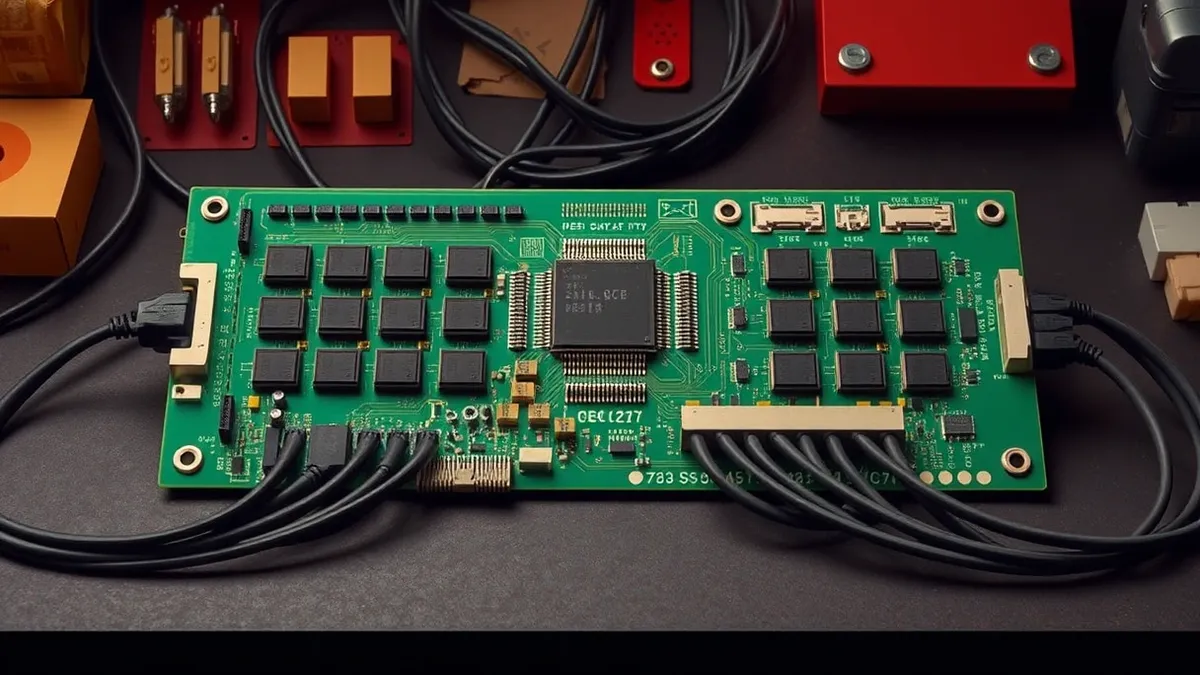
Intel has unveiled its new D-series graphics processing units for data centres, featuring up to 480GB of LPDDR5X memory. This unusually large capacity is designed to support demanding artificial intelligence inference workloads. As TechSec Observer reported on 2026-10-13, the accelerator delivers 1.3 PFLOPS FP8 performance. The company is now expanding its presence in the enterprise server market with this high-memory configuration. The announcement signals a shift towards using laptop-grade memory technology in server environments to maximise capacity for specific AI tasks.
Root cause
The engineering decision to utilise LPDDR5X memory stems from the need to provide massive capacity for AI models during inference. Traditional server memory configurations often prioritise bandwidth over density, but inference tasks frequently require larger model sizes to be resident in memory simultaneously. By adopting LPDDR5X, a standard typically associated with mobile devices, Intel aims to fit more data into the same physical footprint. This approach addresses the growing demand for on-premises AI processing where model size exceeds standard GPU memory limits.
Attack path
This product launch does not involve a security vulnerability or attack vector. Instead, it represents a hardware capability update for data centre infrastructure. The "path" here is the deployment of these accelerators into enterprise environments to handle computational loads. Organisations will need to integrate these units into their existing server racks and cooling systems. The focus is on operational capacity rather than threat defence, though standard hardware supply chain verification remains essential for any new component introduction.
Affected versions
- Intel D-series GPU (new launch)
- 350W air-cooled server configurations (previously sampled)
- Enterprise servers supporting AI inference workloads
Mitigation
- Verify server power and cooling specifications for 350W TDP.
- Confirm software stack compatibility with D-series hardware.
- Assess supply chain integrity for new GPU components.
- Plan capacity upgrades for large model inference tasks.
What it means for organisations
Operations teams should evaluate current server power budgets against the 350W thermal design power. Procurement departments must verify the availability and lead times for these new accelerators. Engineering leads need to assess whether existing cooling infrastructure can handle the increased density. Risk managers should review supply chain contracts to ensure components meet enterprise reliability standards. Staff involved in AI deployment should test model performance with the new memory capacity to determine if it reduces the need for model sharding.
Background: Supply chain attacks
Supply chain attacks in cyber security exploit the trust you place in third-party software components. Attackers inject malicious code into legitimate updates or build pipelines. You receive the payload as if it were benign. Defending requires verifying code origins, isolating build environments and treating all external inputs as hostile.
Read the full guide: Supply chain attacks in cyber security: how they work and how to stop them
What to do and how to stay safe: Intel
- Review server power delivery systems to support higher TDP components.
- Test AI model compatibility with the new D-series architecture.
- Verify cooling capacity for 350W air-cooled units.
- Monitor vendor documentation for firmware updates.
General security guidance from the TechSec Observer newsroom. It is not confirmed advice from the organisations named in this story.
Frequently asked questions
What type of memory does the Intel D-series GPU use?
It uses up to 480GB of LPDDR5X memory, which is typically found in laptops.
What is the primary use case for this hardware?
It is designed for demanding AI inference workloads in data centres.
How much memory does the D-series offer?
It features a record 480GB of memory capacity.