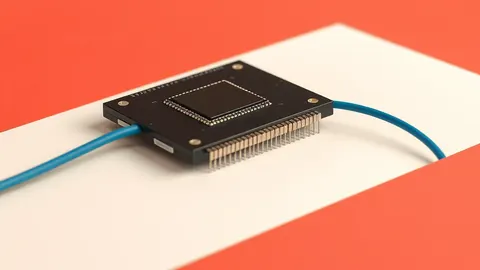
Microsoft sets Maia 300 as primary inference engine for AI services by 2027
The tech giant unveils its third-generation custom chip, aiming to reduce reliance on Nvidia while boosting token output per watt.
Key points
- Microsoft designates Maia 300 as the main inference system for its products starting in 2027.
- The chip delivers 40% more tokens per megawatt compared to leading GPU systems, according to Microsoft.
- Deployments will scale to multi-gigawatt levels, potentially involving over one million chips.
Microsoft announced on Monday that it will make its custom Maia 300 chips the primary system for running artificial intelligence inference in its products starting in 2027. The company unveiled the third-generation processor alongside a plan to scale deployments to multi-gigawatt levels. This shift targets reduced dependence on external suppliers such as Nvidia and AMD, according to The Verge.
Root cause
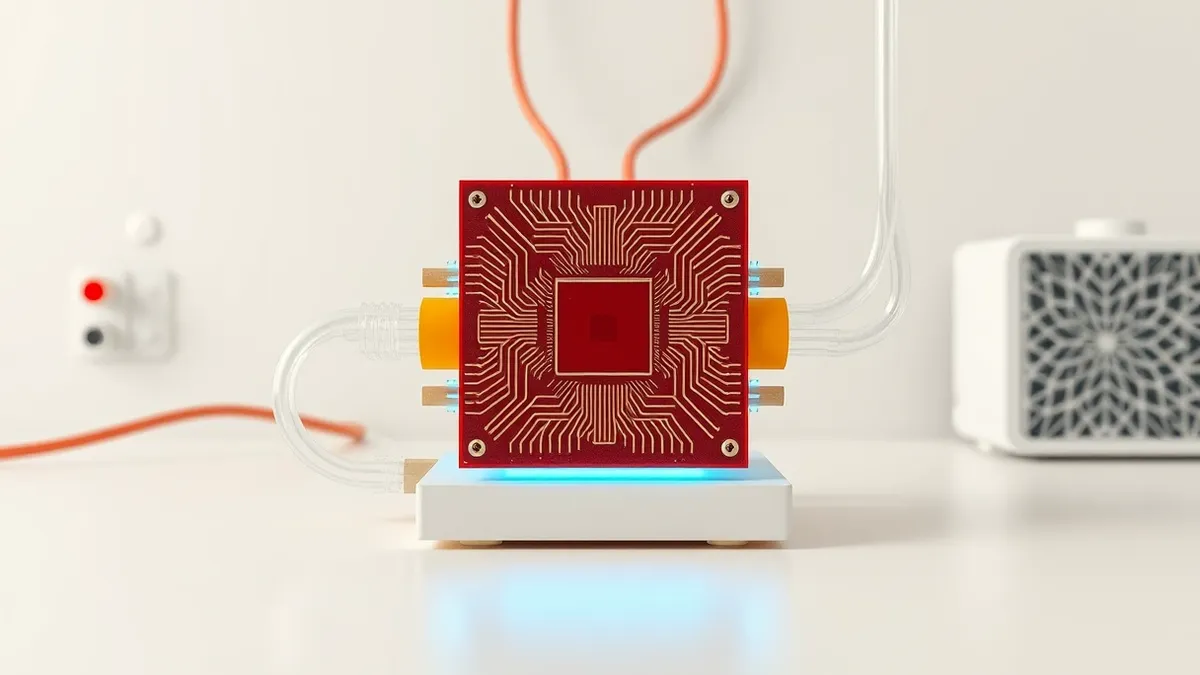
The architectural changes in Maia 300 focus on optimising efficiency for reasoning models and multi-step AI agents. Microsoft split the chip into smaller chiplets for computing, memory, and data transfer. The computing components utilise TSMC’s N2P process, while each chip carries eight stacks of HBM4 memory. This design aims to deliver more intelligence per watt, dollar, and byte of memory, said Rani Borkar, who leads Azure hardware systems.
Attack path
The Maia 300 is engineered specifically for inference, which involves running AI models after they have been trained. Microsoft stated the chip targets long conversations, reasoning tasks, and AI agents that execute complex, multi-step operations. By optimising for these workloads, the system seeks to lower operating costs and improve throughput. Each rack holds 96 chips and draws approximately 167 kilowatts, delivering up to seven times the output of the Maia 200 predecessor.
Affected versions
The Maia 300 is the third generation of Microsoft’s custom AI silicon. Its predecessor, the Maia 200, launched in January and currently supports Microsoft Copilot. The Maia 200 also runs OpenAI models alongside Microsoft’s own MAI models. By the end of 2026, the Maia 200 will additionally support GitHub Copilot and Microsoft Foundry, according to Computerworld. The new Maia 300 will begin deployment after the turn of the year.
Mitigation
- Monitor Microsoft’s Ignite conference next month for further technical details on the Maia 300 architecture.
- Review current AI workload dependencies on Nvidia or AMD hardware to assess potential migration paths.
- Evaluate energy consumption metrics for existing inference clusters against the claimed 40% efficiency gain.
What it means for organisations
Teams usually need to assess how vendor shifts impact long-term infrastructure contracts and support agreements. Check whether existing AI workloads rely on specific GPU features that may not map directly to custom silicon. Ensure procurement teams understand the timeline for multi-gigawatt deployments to plan capacity. Inform engineering leads about potential changes in token throughput and latency characteristics. Discuss with cloud architects how this transition might affect cost structures for inference-heavy applications.
Background: AI agents
AI agents matter for security because they move beyond generating text to executing code and accessing systems. This autonomy means a single compromised prompt can trigger cascading failures across your infrastructure, requiring new controls for intent verification and action boundaries rather than just content filtering.
Read the full guide: Why AI Agents Matter for Security: Autonomy Risks
What to do and how to stay safe: Microsoft
- Audit current AI service agreements to identify clauses related to underlying hardware providers.
- Benchmark existing inference performance to establish a baseline before new chips become available.
- Review power allocation plans in data centres to accommodate high-density rack deployments.
- Consult with cloud providers about migration timelines for services moving to custom silicon.
General security guidance from the TechSec Observer newsroom. It is not confirmed advice from the organisations named in this story.
Frequently asked questions
When will Microsoft start using Maia 300 as its primary AI chip?
Microsoft plans to make Maia 300 the primary inference system for its products starting in 2027.
How much more efficient is Maia 300 compared to GPUs?
Microsoft expects Maia 300 to deliver 40% more tokens per megawatt than leading GPU-based systems.
What workloads does the Maia 300 target?
The chip is built for inference, specifically targeting long conversations, reasoning, and AI agents performing multi-step tasks.