
Tech News
Sarah Reddish Maps Intrusions To Deliver Clear Containment Steps For Huntress Partners
Huntress highlights how Security Operations Center analyst Sarah Reddish turns complex intrusion data into clear, actionable guidance for partners.
Everything TechSec Observer has reported about Incident Response: 13 stories, newest first. Part of our AI coverage.
Huntress highlights how Security Operations Center analyst Sarah Reddish turns complex intrusion data into clear, actionable guidance for partners.

Block’s security team uses OpenAI tools to investigate threats and propose patches in minutes, improving its operational response capabilities.

The cybersecurity firm highlights rising risks from agentic AI and multi-layered ransomware extortion tactics in its latest annual trend report.

Evidence integrity fails when you power down a compromised system, as volatile memory contains the only record of active decryption keys and network connections.

Shortening the period between intrusion and detection reduces the window for lateral movement and data exfiltration more effectively than perimeter hardening alone.
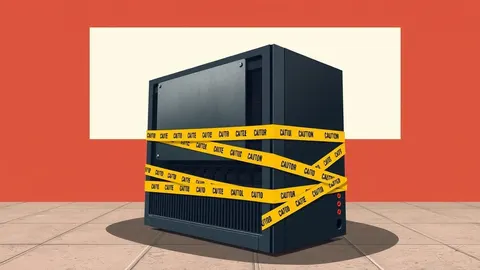
Immediate containment of exposed inference endpoints prevents model theft and data leakage while forensic evidence remains intact for later analysis.

Purple teaming collapses the delay between detection and response by forcing defenders to adapt tactics while attackers are still active.

Prototype pollution alters object behaviour silently, meaning standard input validation often fails to detect the malicious payload until it executes in memory.

The most costly error in cloud hijacking is resetting credentials before isolating the compromised instance, which allows the attacker to maintain persistence through active sessions.
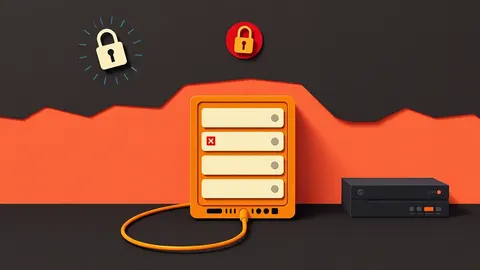
Restoring service before verifying data integrity often re-exposes the system, turning a contained breach into a persistent backdoor that survives standard patches.

Most AI breaches fail not from code errors, but because teams rebuild trust in compromised models without verifying the integrity of their training data lineage.

Immediate credential rotation prevents lateral movement, but preserving forensic evidence often requires delaying system reboots that would erase memory traces.

Small teams fail not from lack of tools, but from ambiguity in decision-making authority during the first hour of an incident.